109 Princess Street, Manchester City Centre
Crosby Homes
1997-1999
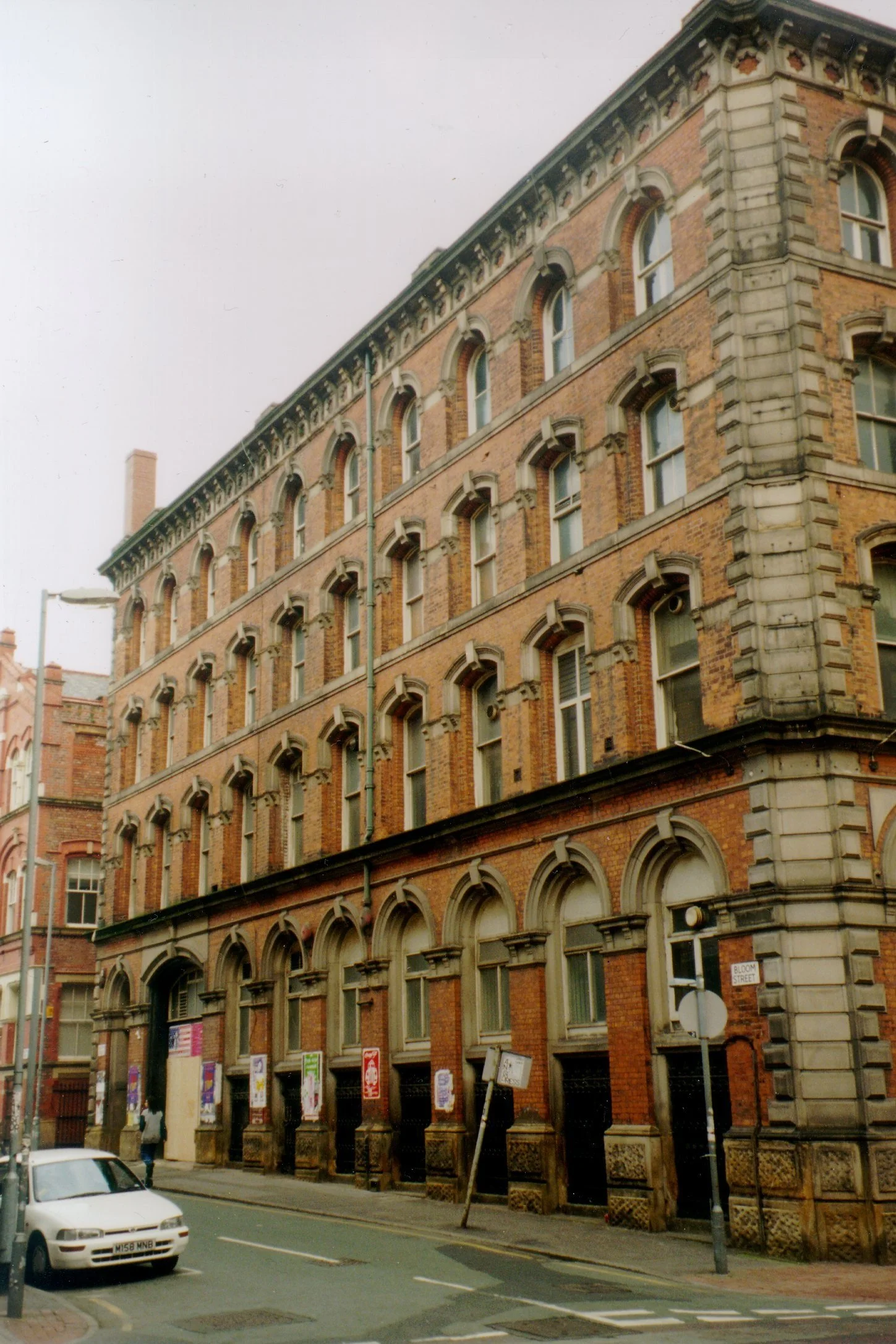
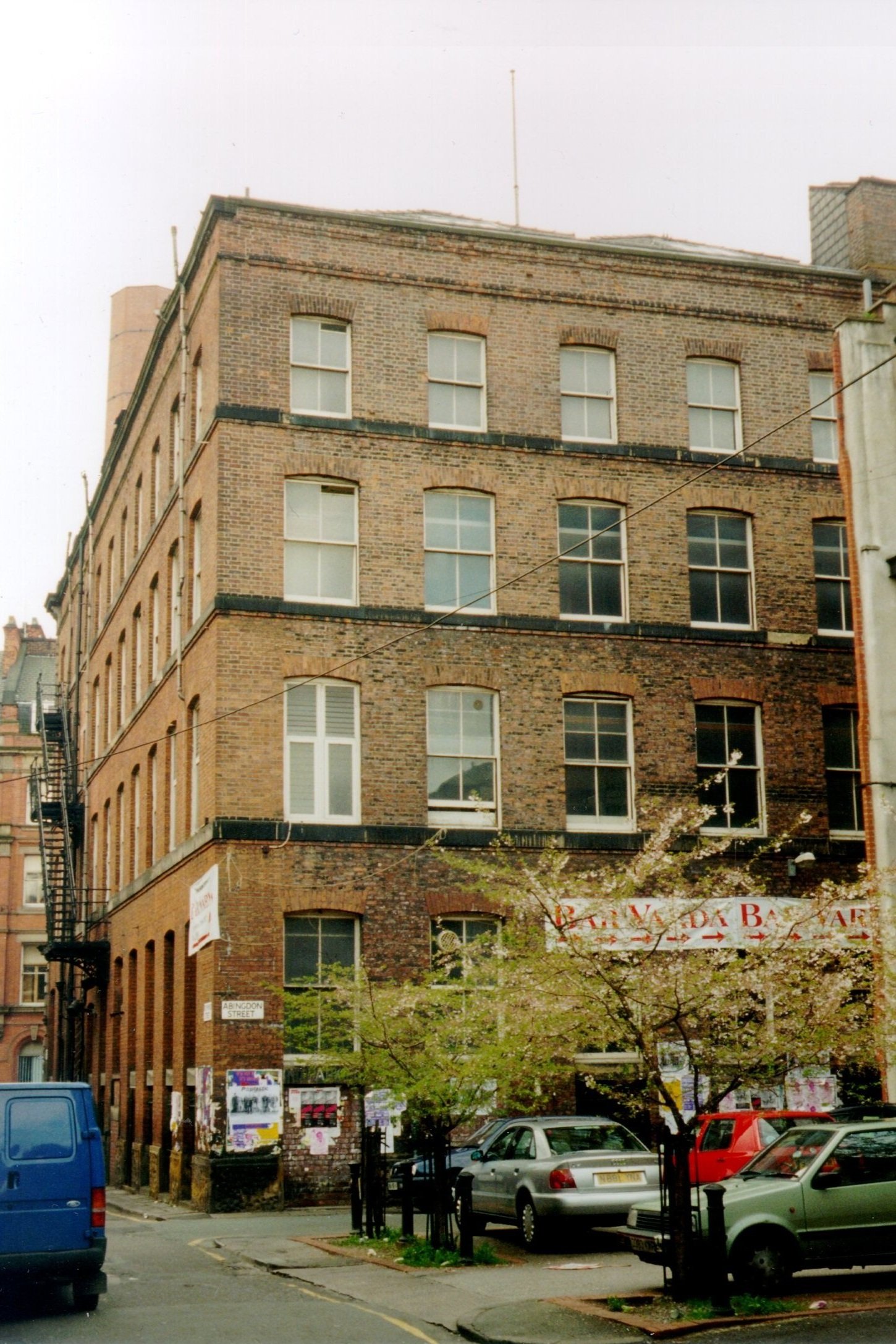
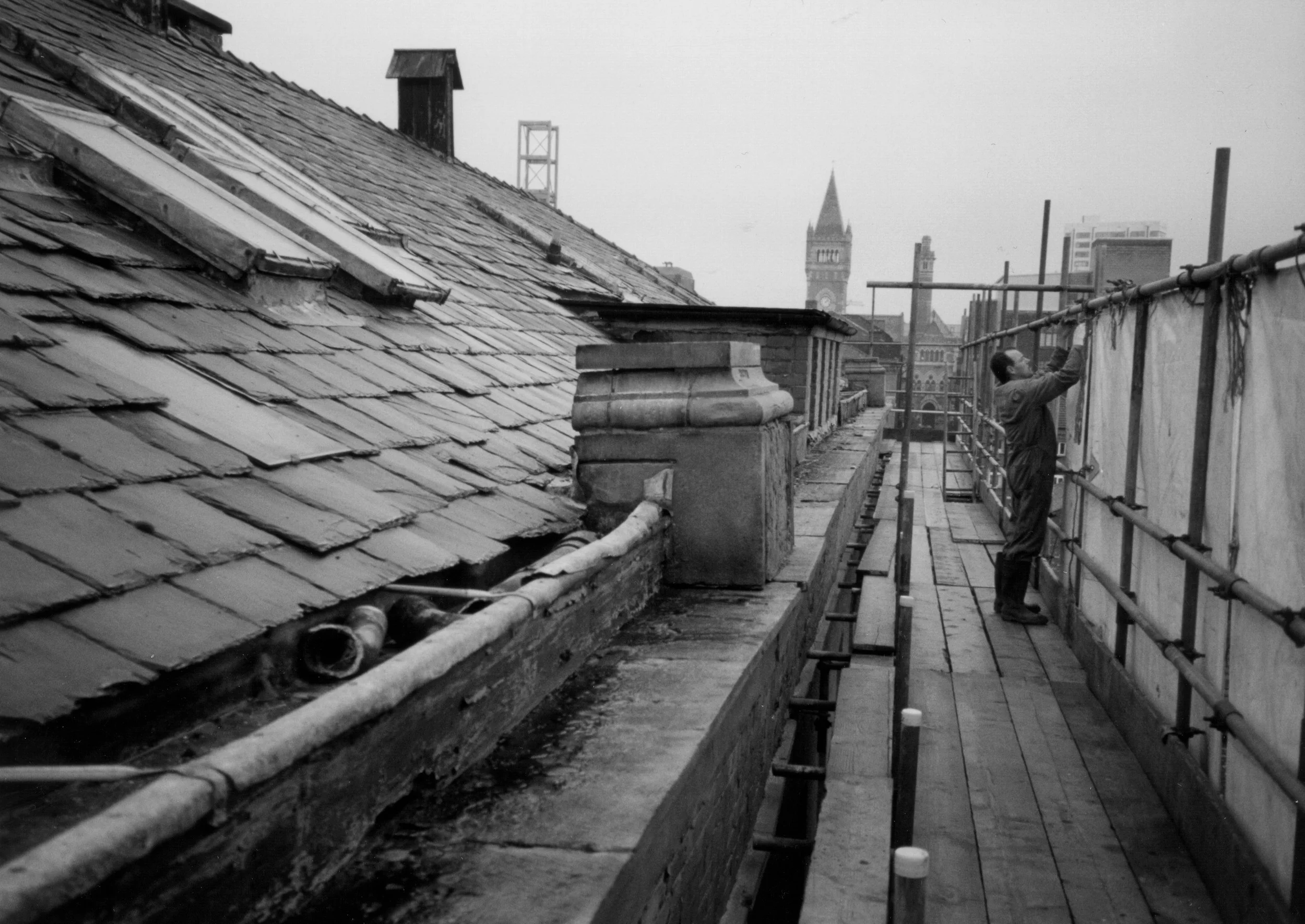
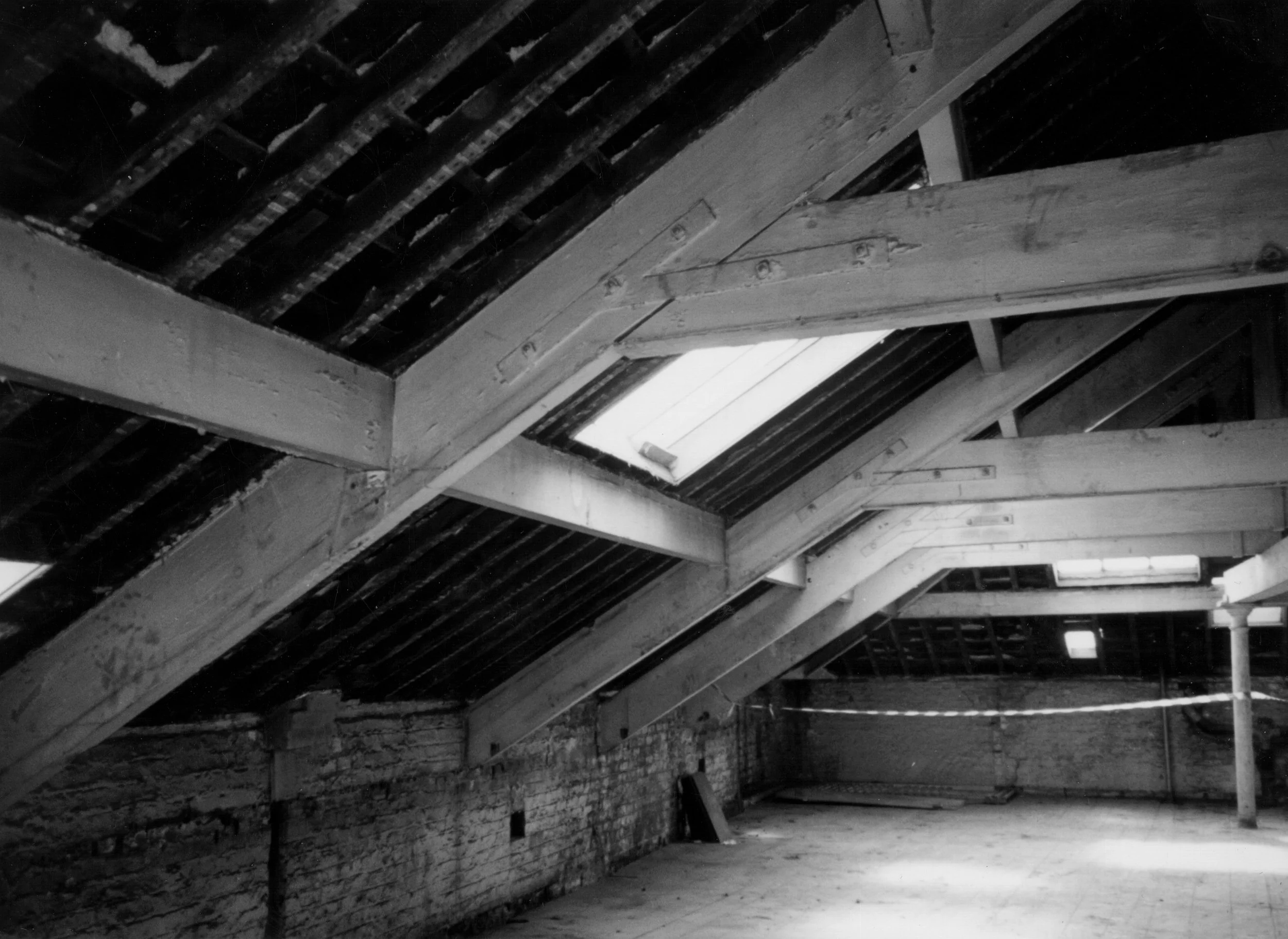
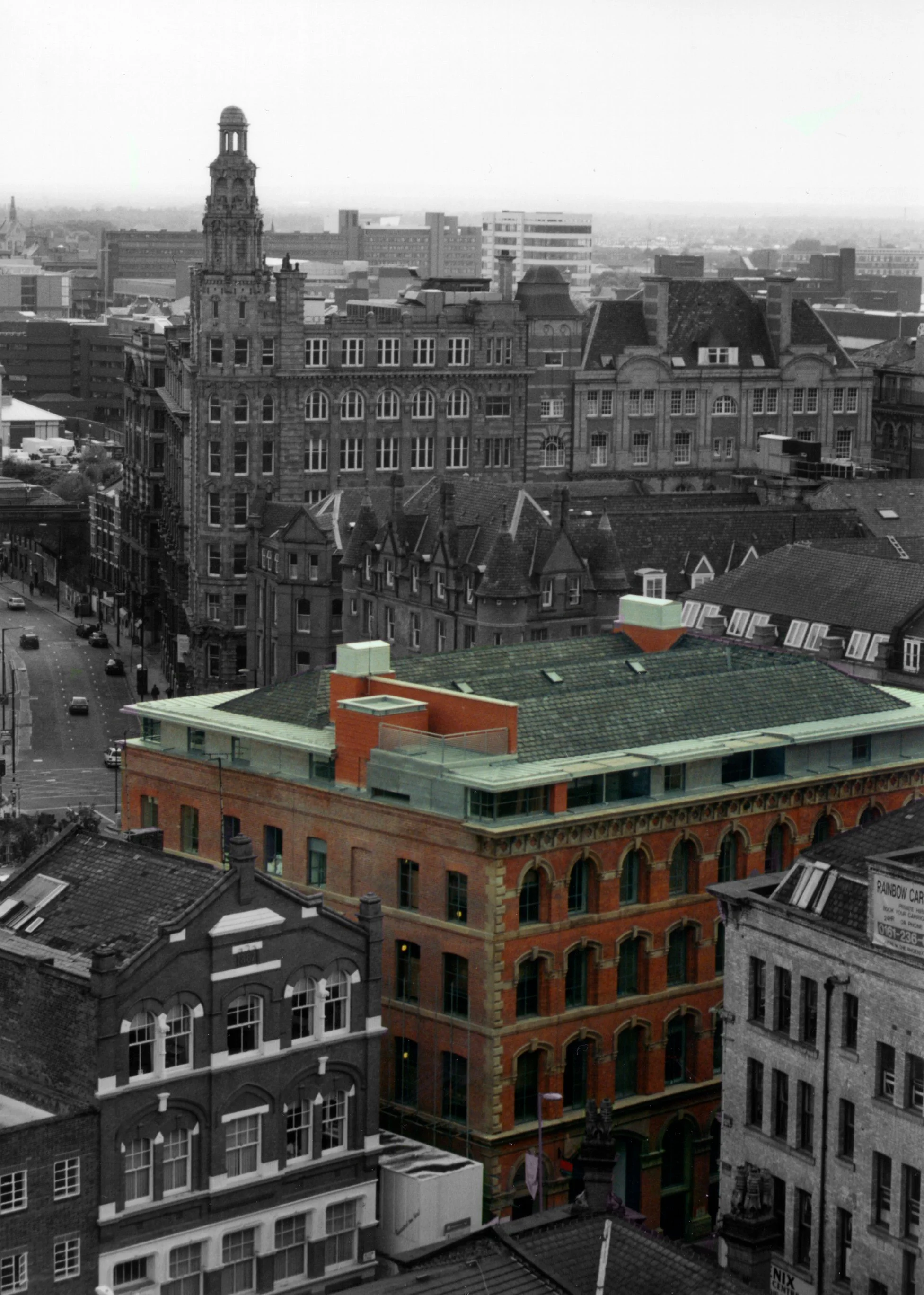
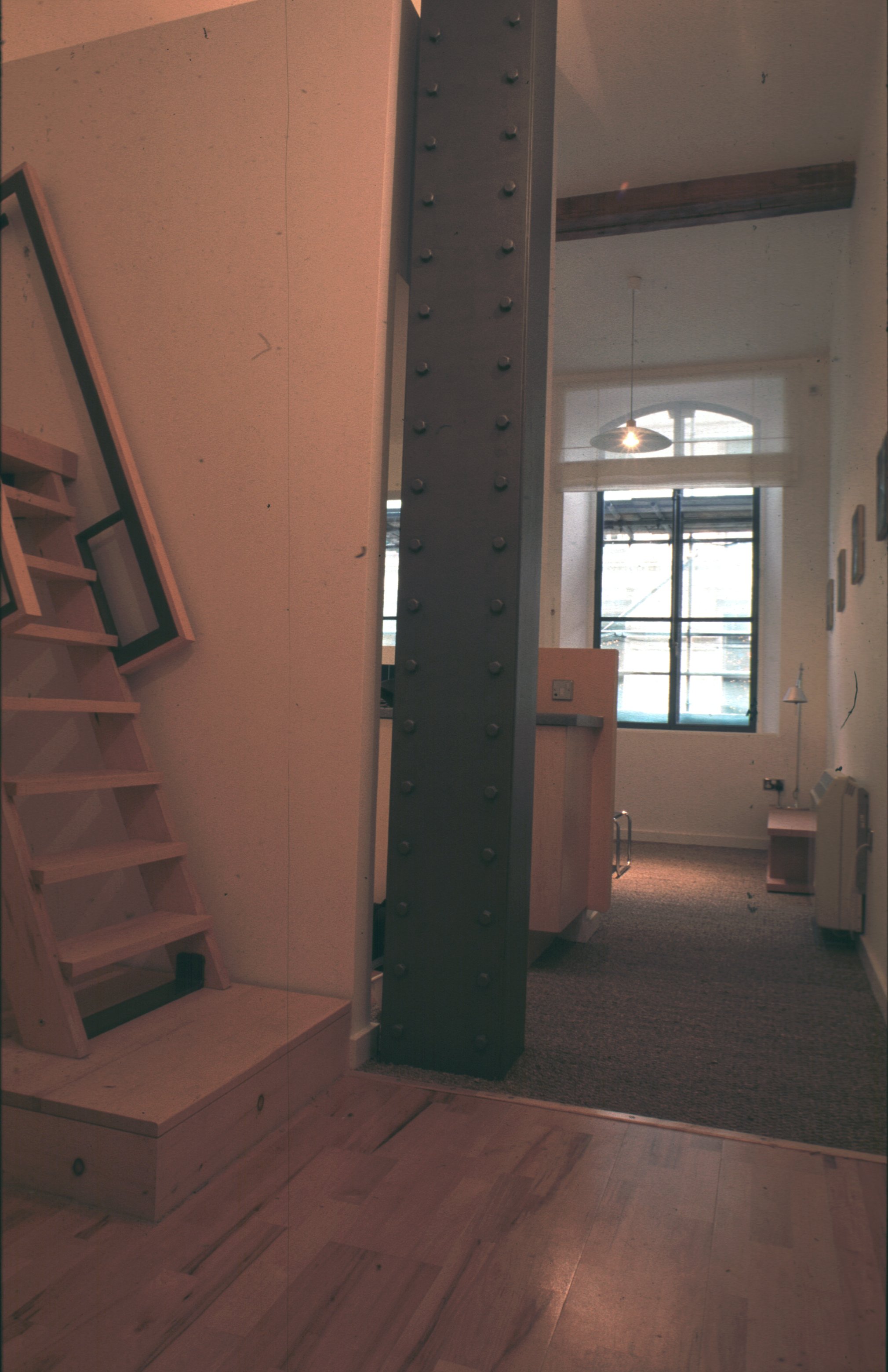
109 Princess Street is a Grade 2 listed Italianate warehouse constructed in 1863 and designed by the Manchester architects Clegg & Knowles. The building has masonry external walls with an internal frame of cast iron columns and pitch pine beams. The north light roof is finished in natural slate. The premises consist of a part basement, lower ground and ground floors and four upper levels.
A plan form emerged based on the demand for smaller apartments on the lower floors and larger ones on the upper levels. The first floor, which sits over the licensed retail space consists of ten ‘pied à terre’ flats, the second and third floors consist primarily of one bedroom apartments and the fourth floor, primarily two bedroom apartments.
Each floor is accessible from the lift and existing stairway, entered at pavement level through the former loading bay in which the main entrance is now situated. Access to apartments is by means of a spine corridor offset about columns and punctuated by a series of semi-private ‘hollows’, which contain the entrance to each apartment. The hollows are the threshold between semi-public and semi-private zones, providing an individual identity to each apartment as well as containing a bench beside each door. The corridor terminates at a secondary means-of-escape stairway.
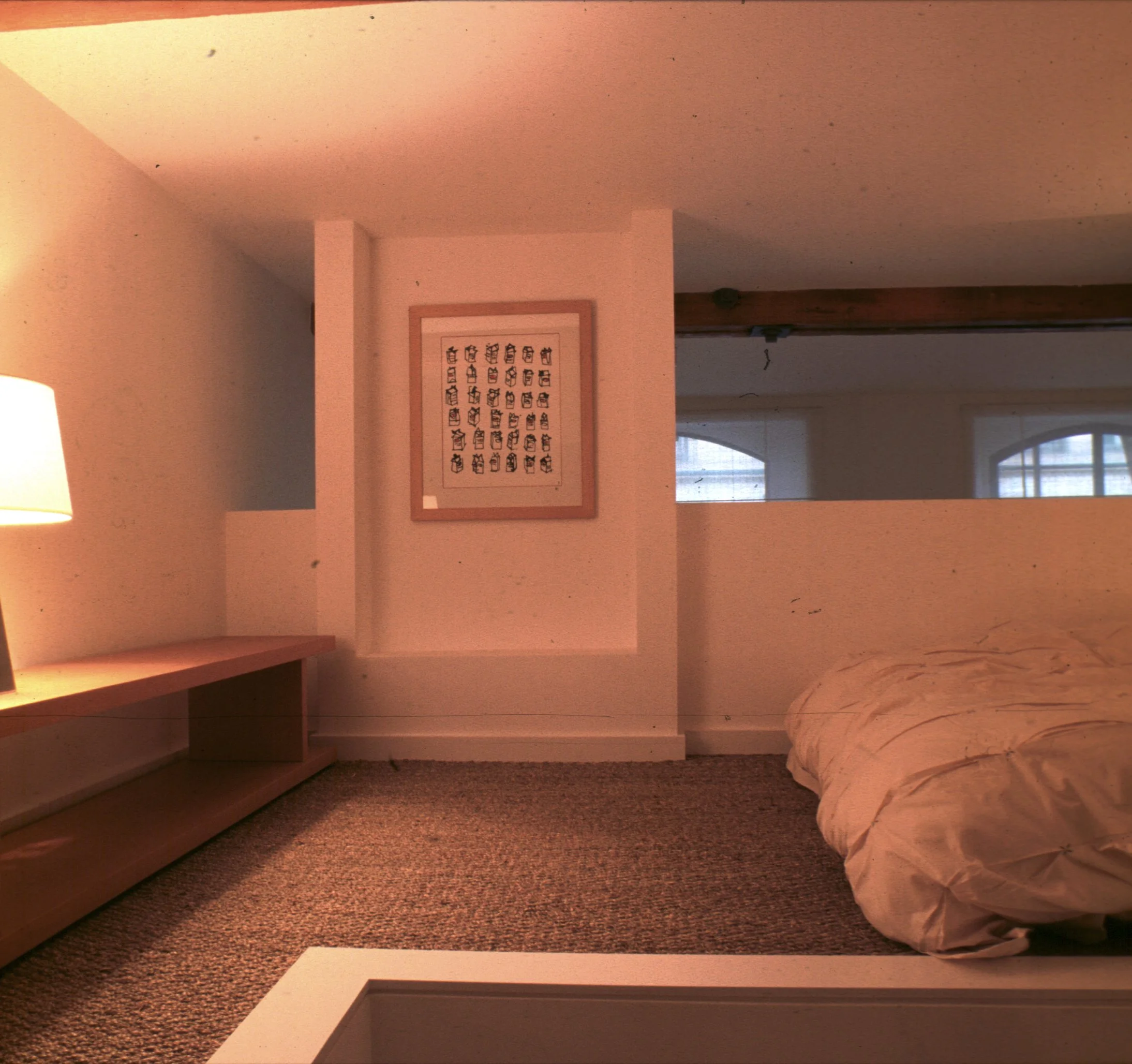
The necessity to provide a higher density of apartments on the first floor led to more vertically arranged spaces using the notion of the bunk bed/wardrobe/study often used in children’s bedrooms.
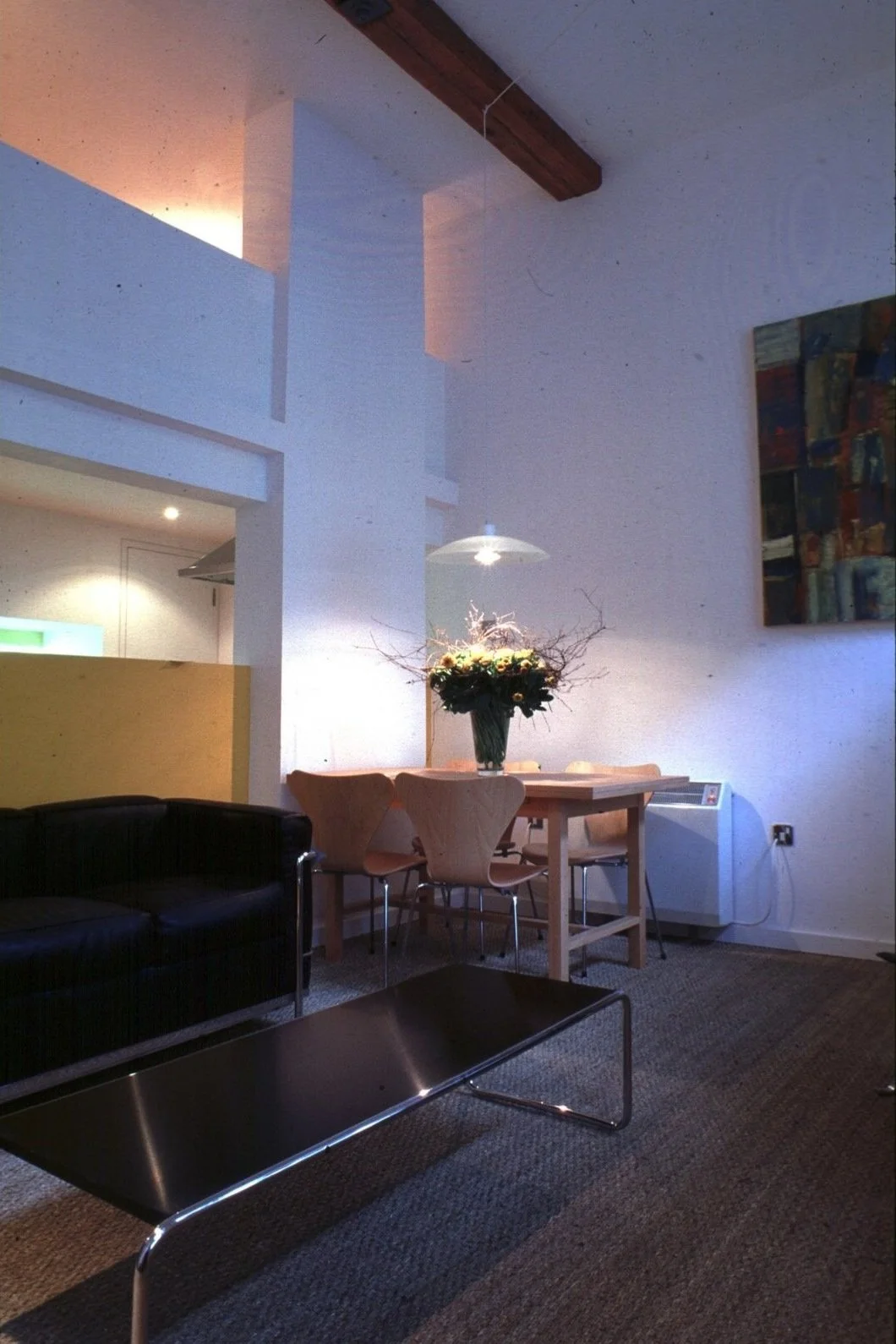
Within each open plan apartment, a kitchen, bathroom, storage area, bed deck and wardrobe were integrated by exploiting the additional floor height to allow the various uses to be ‘overlapped’, creating a compact ‘servant’ pod tucked into the back third of the available space, utilising and optimising as much of the available volume as possible.
The second and third floors are more traditionally arranged but still use the notion of minimal intervention of new insertions juxtaposed against the industrial archeology of exposed pitch pine beams and cast iron columns.
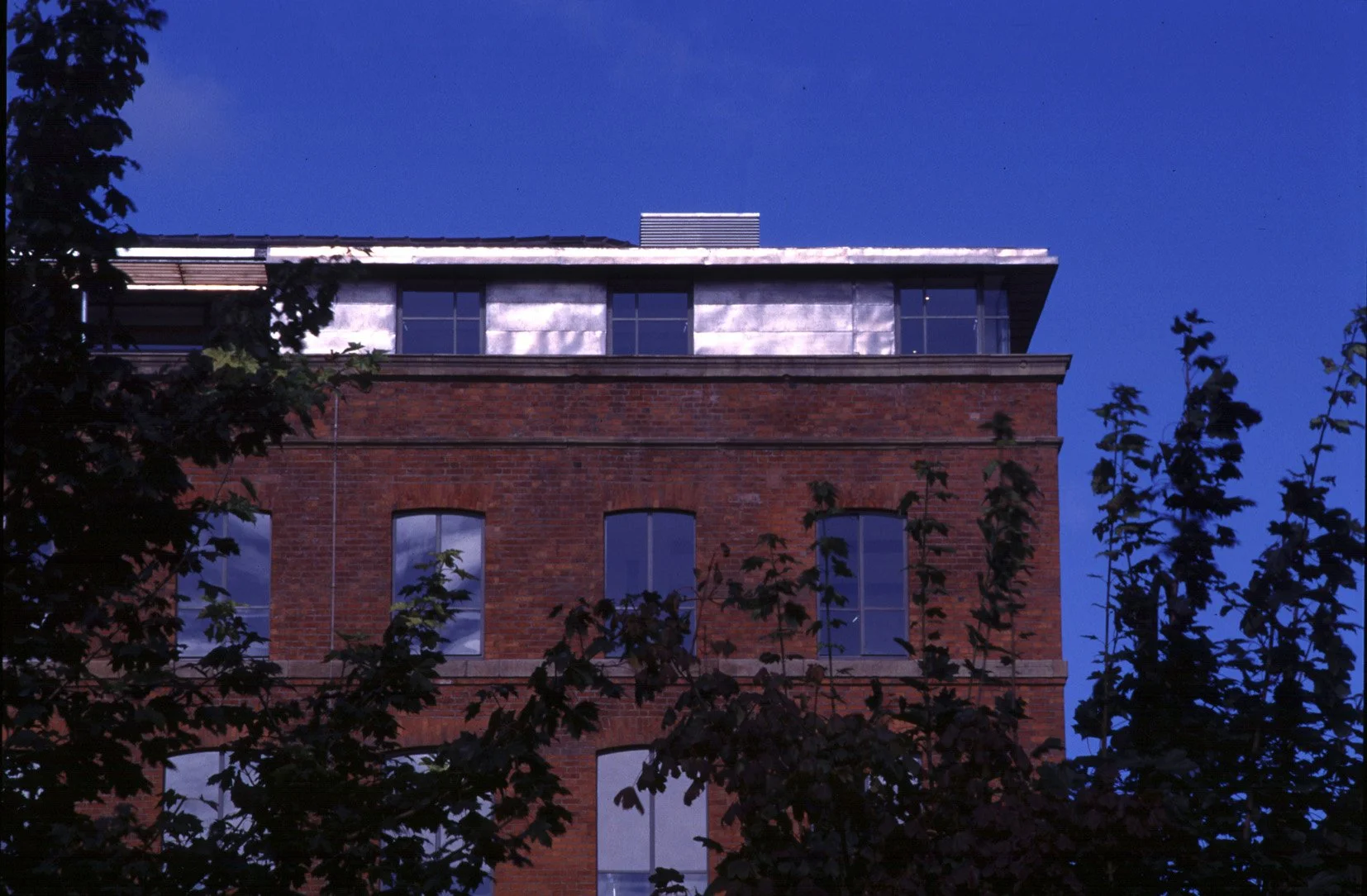
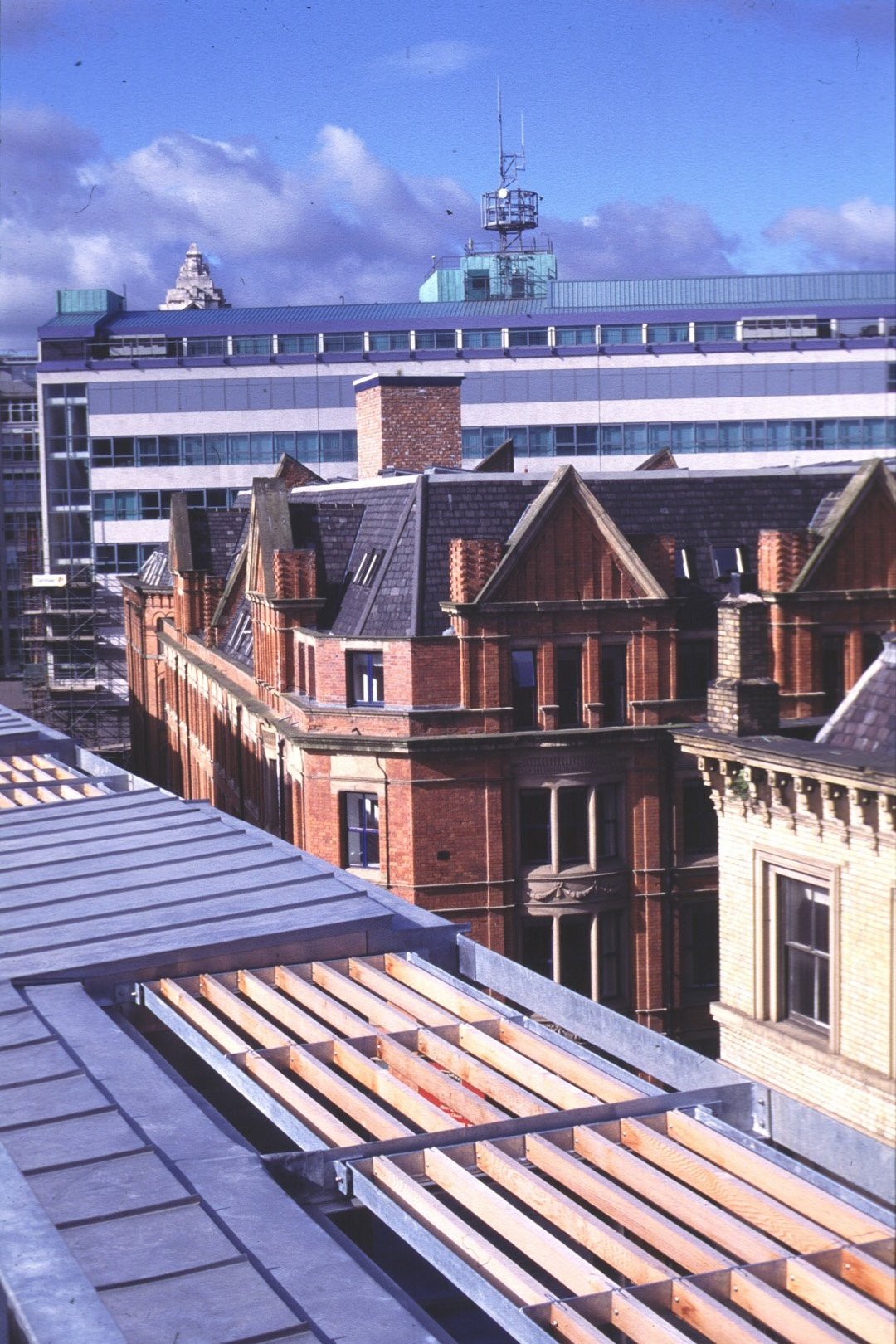
To optimise the use of the entire fourth-floor area required altering the existing eaves/cornice relationship to enable sufficient height to be provided at the extremities of the plan. The resolution of this in both practical and architectural terms came from the analogy with an attic dormer, often found in similar buildings, but ‘extruded’ around the perimeter. The solution emerged as a natural metal-covered perimeter beneath which the existing roof timbers remained, enabling the themes developed on the lower floors to be implemented.