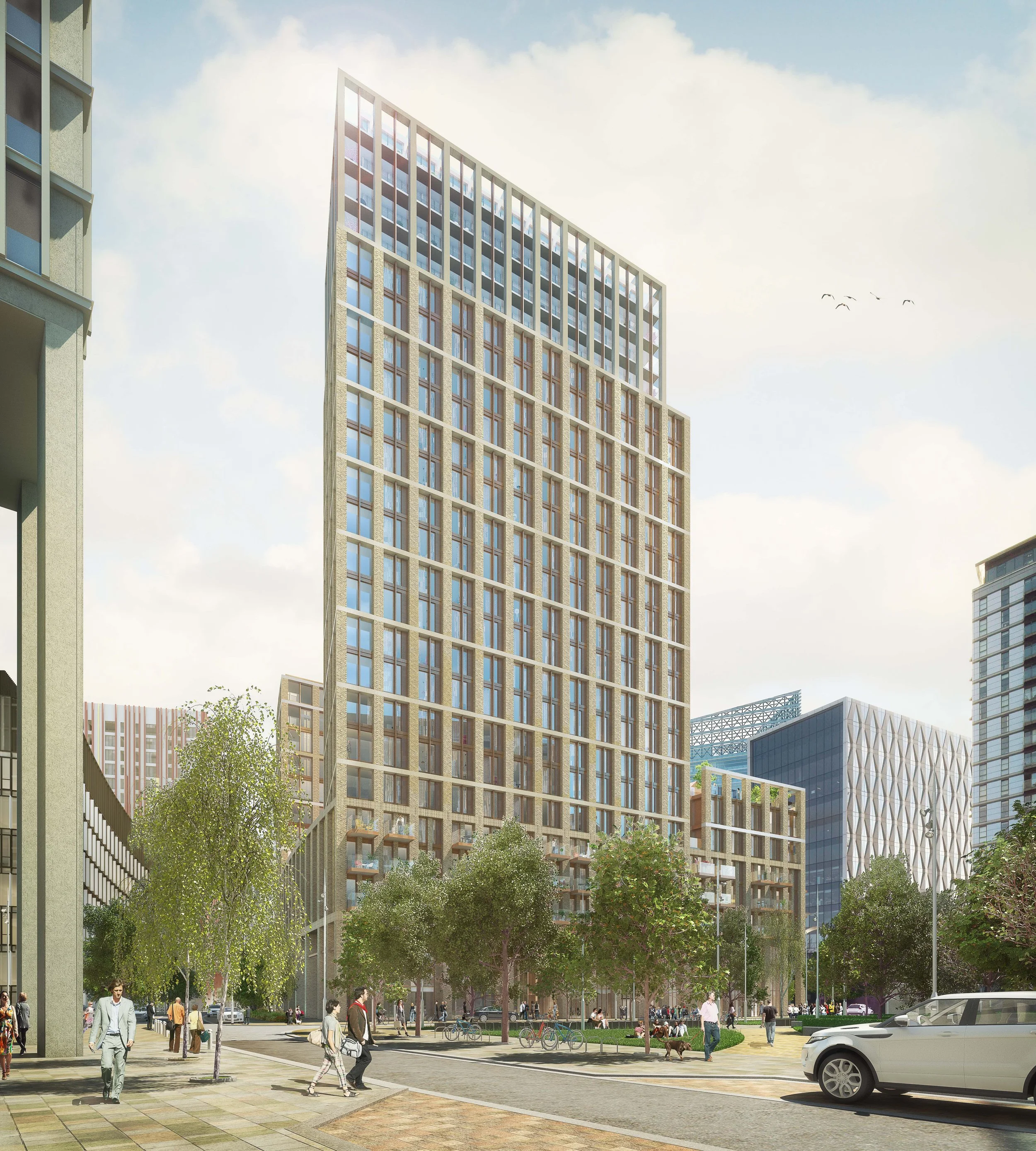
Plot C4, MediaCityUK
Peel Media Limited
2015-2016
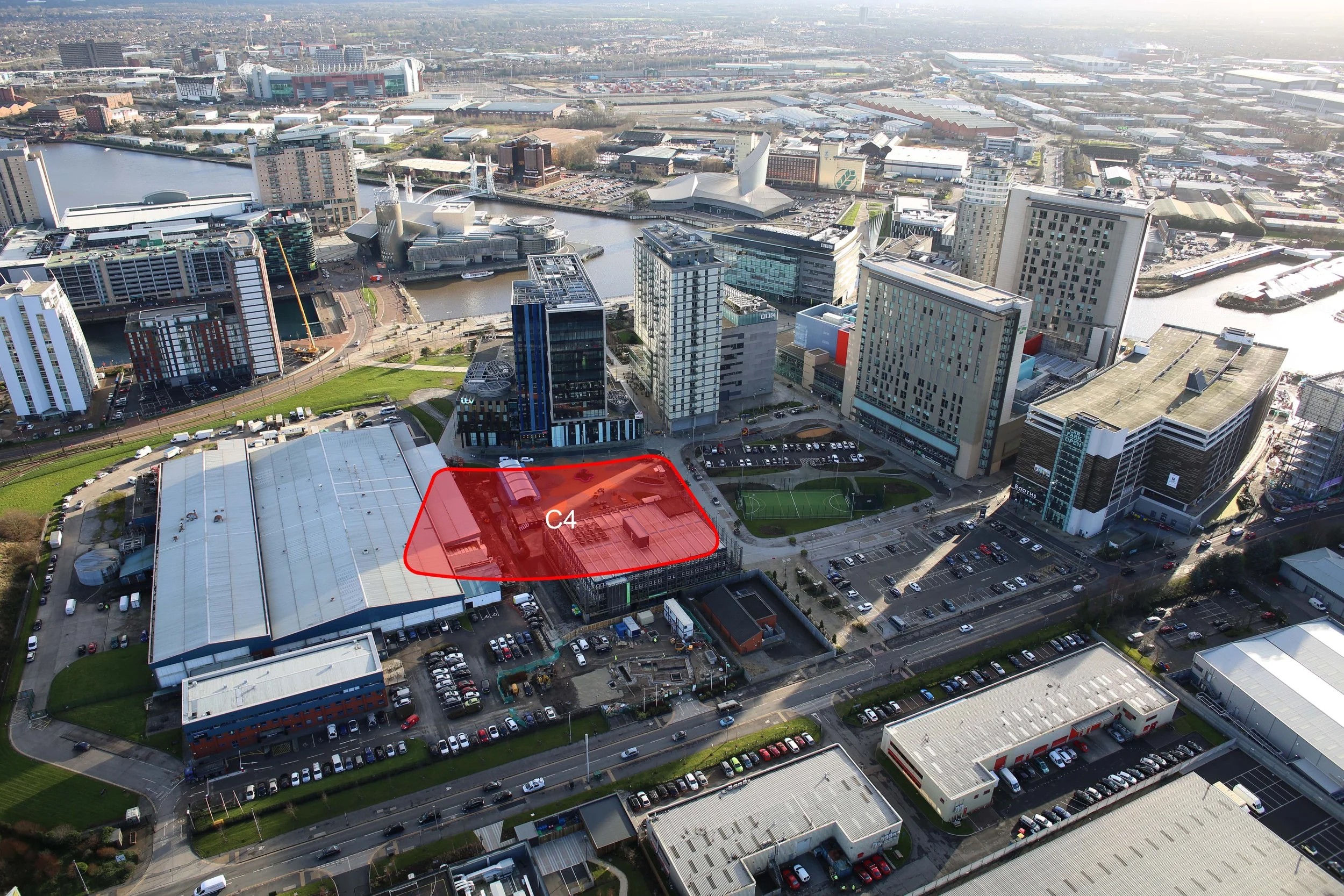
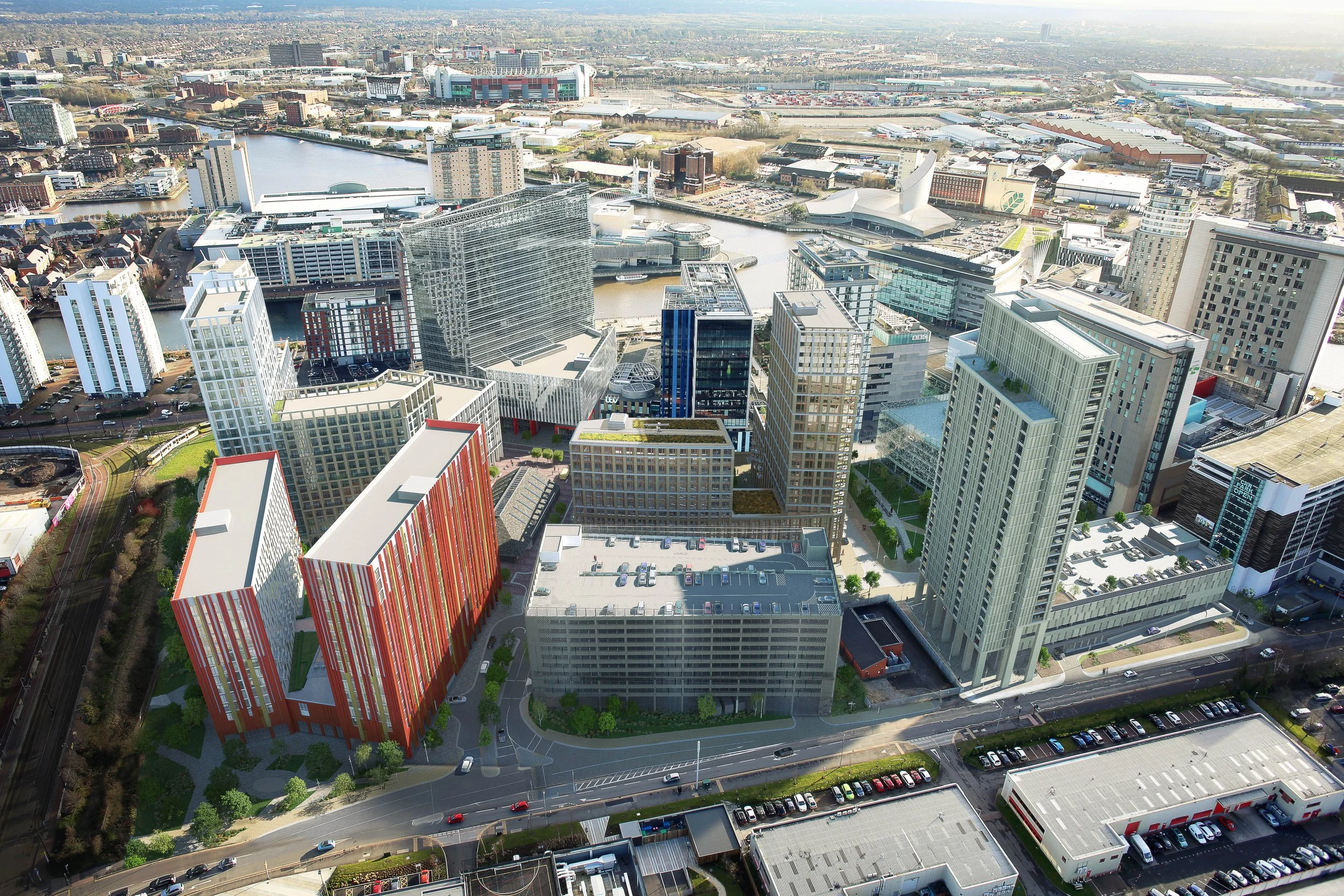
The building is one of seven new developments which together form the next phase of development at MediaCityUK in Salford. The building provides 286 residential apartments on 22 storeys above 3 storeys of Live Work space and Commercial space. The ground floor level also includes residential entrances and lobby spaces together with ancillary and cycle spaces.
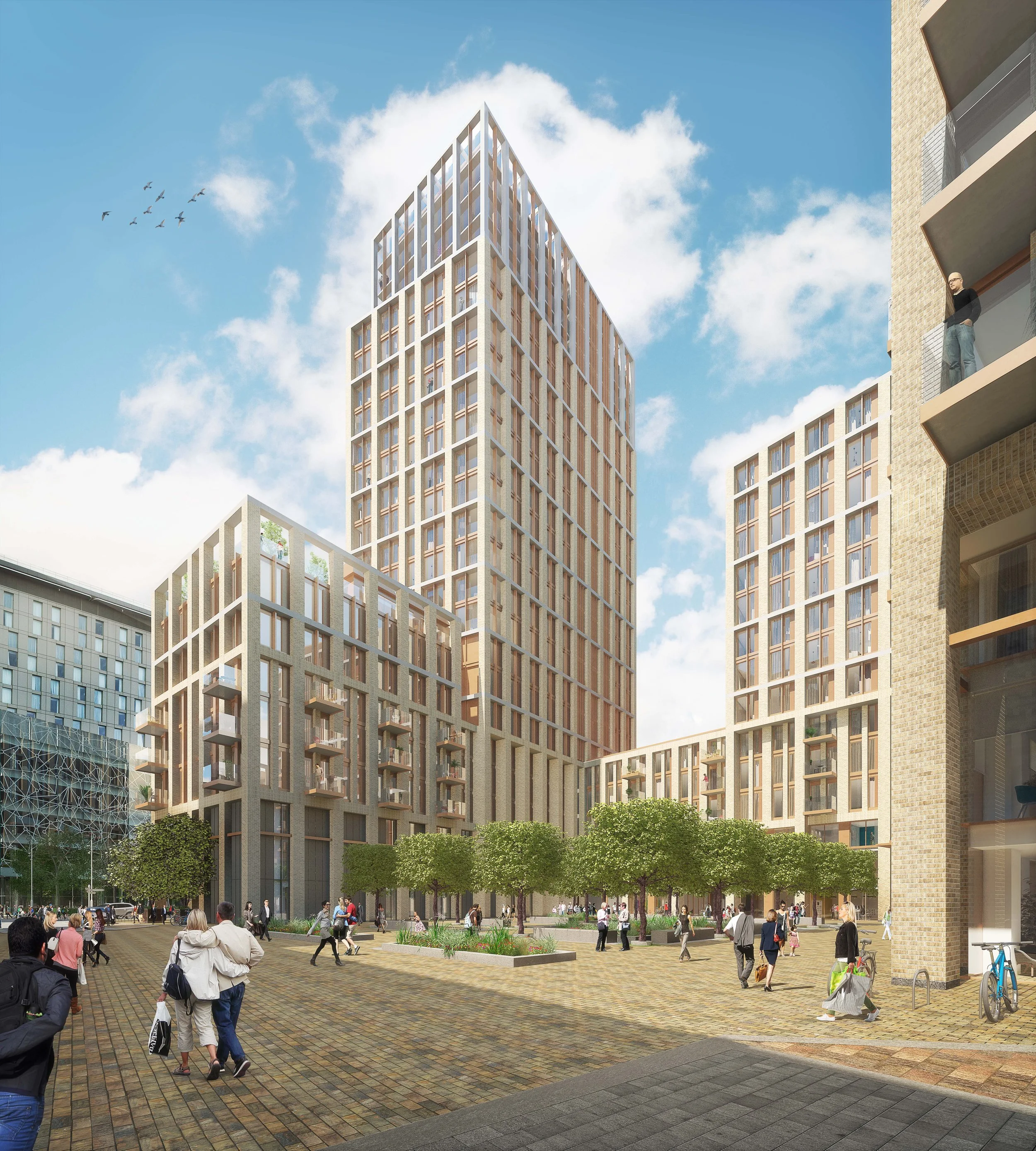
The original brief envisaged a residential building forming a perimeter block that respected existing masterplan geometries established previously. A design emerged for a building that addressed the back of the pavement to the North, East and West site frontages. To the south, an open courtyard space formed a relationship with an existing adjacent commercial development. This new external courtyard space was also to be connected to adjacent areas of external space via a series of walkways on the three other sides.
Initial massing suggested height on the western side of the site reducing towards the east to maximise solar gain within the adjacent new area of public space to the East.
The scale and massing of the development reflects the aspirations of the MediaCityUK masterplan that emerged from an iterative design development process.
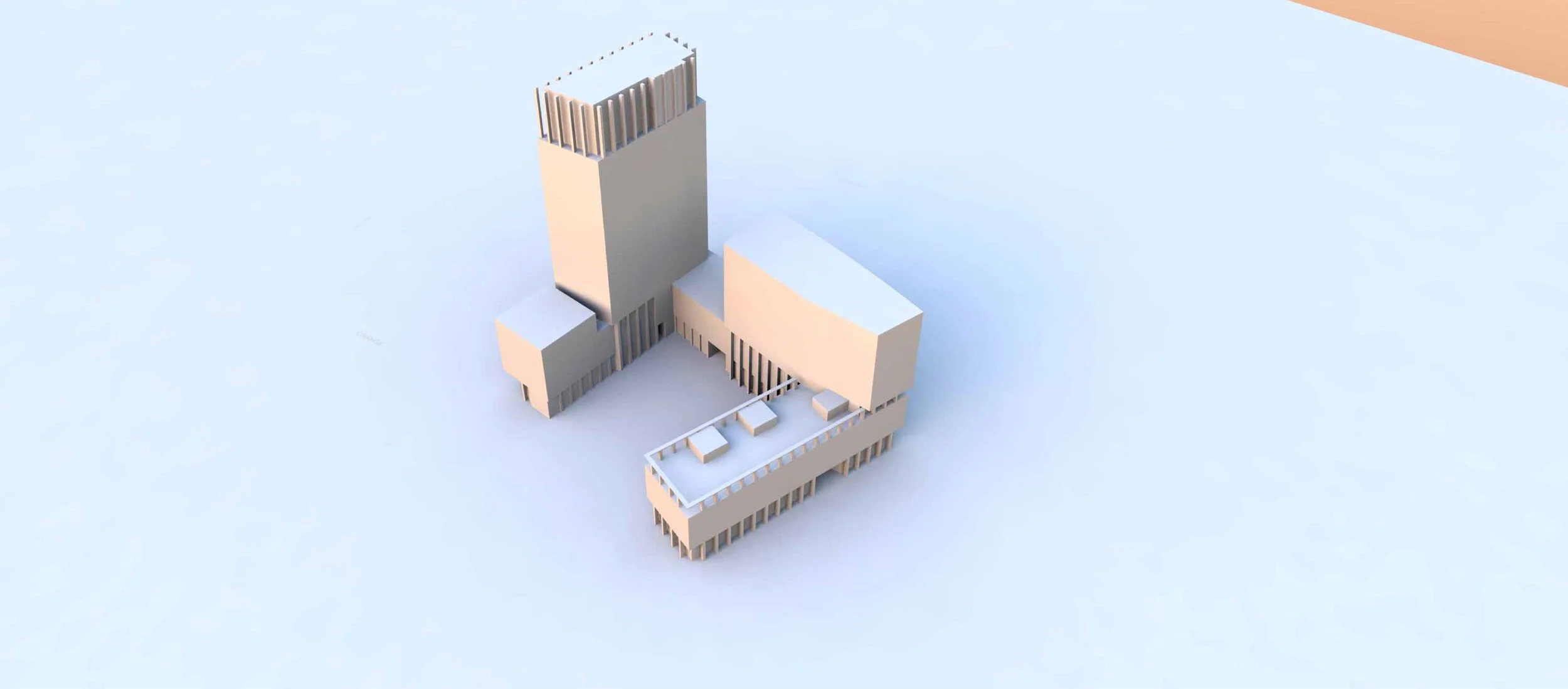
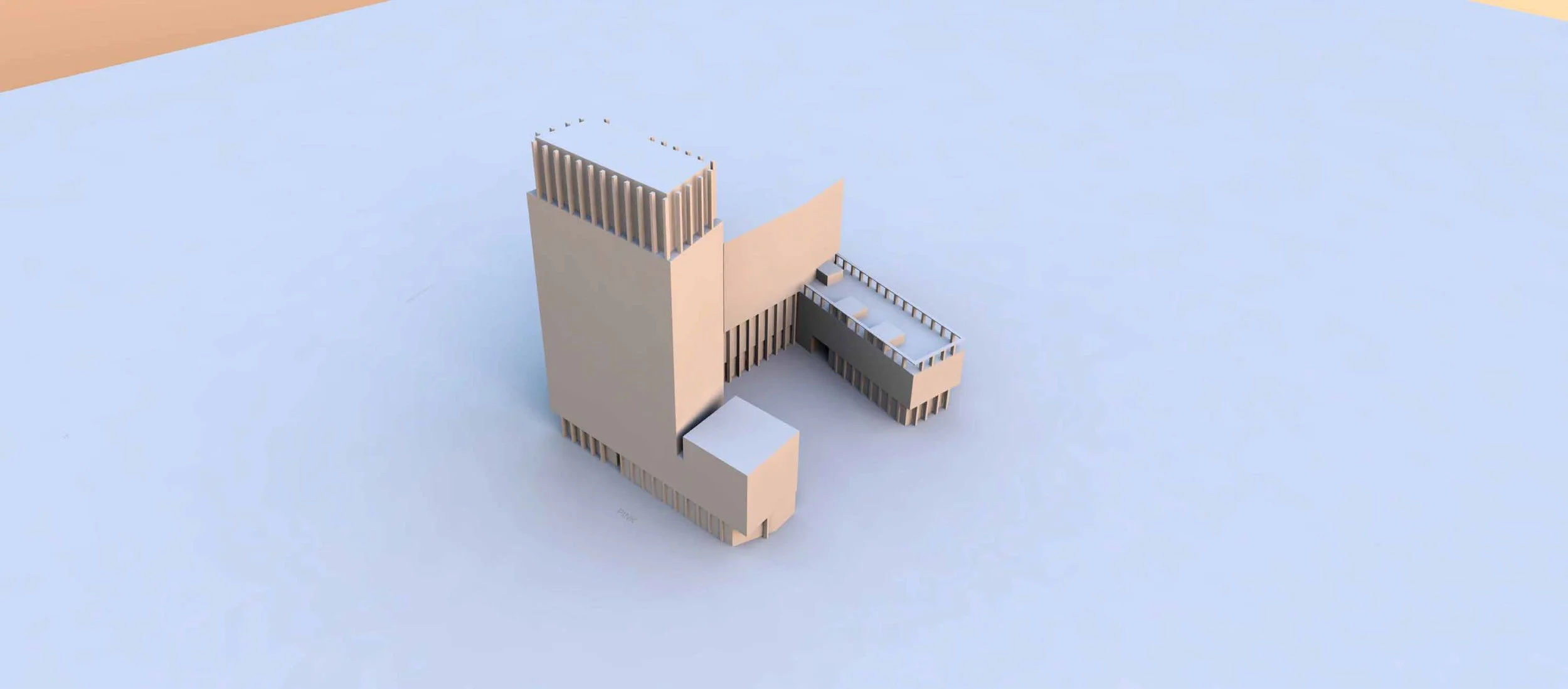
A proposal emerged using a podium and towers arranged in such a way as to reinforce the notion of the masterplan buildings as a series of “blades” that radiate from a point across the water to the south of the site; the drum of the Lowry Centre.
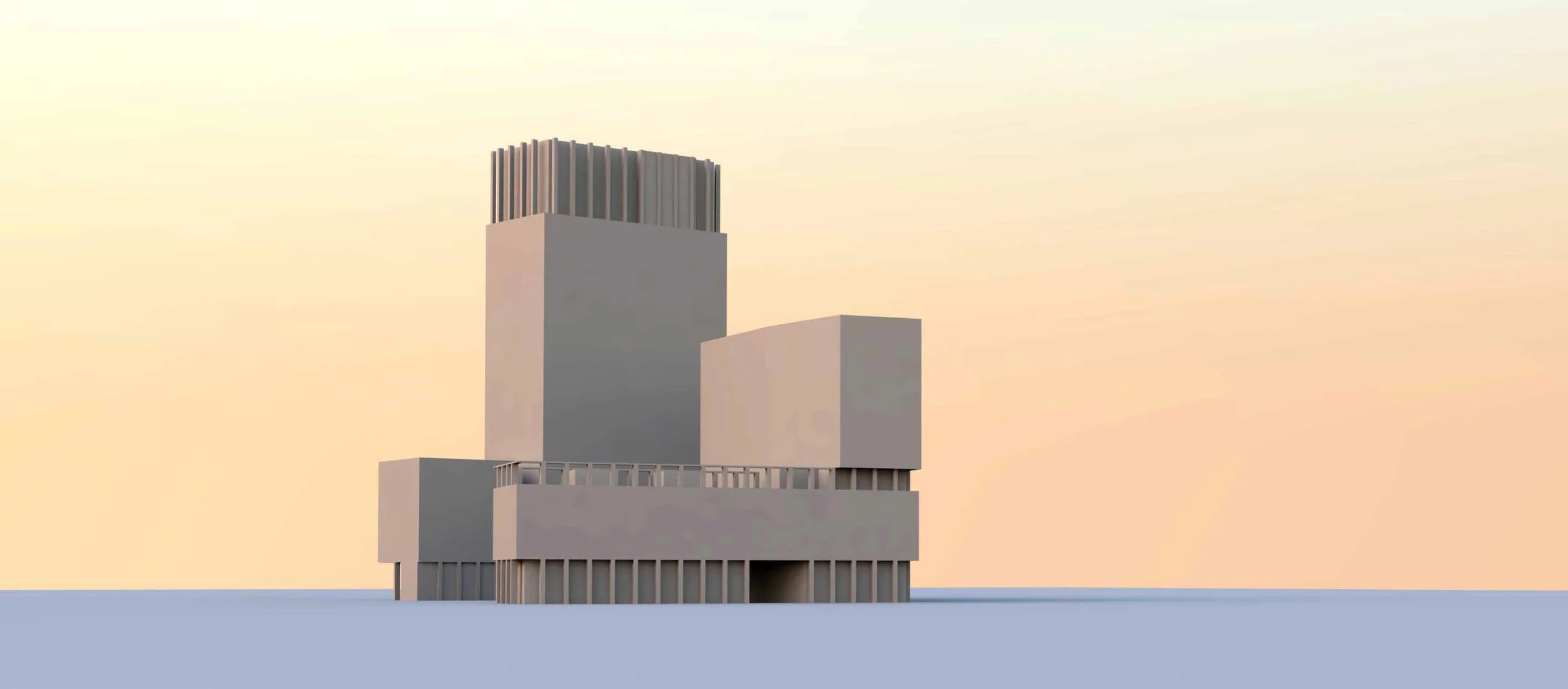
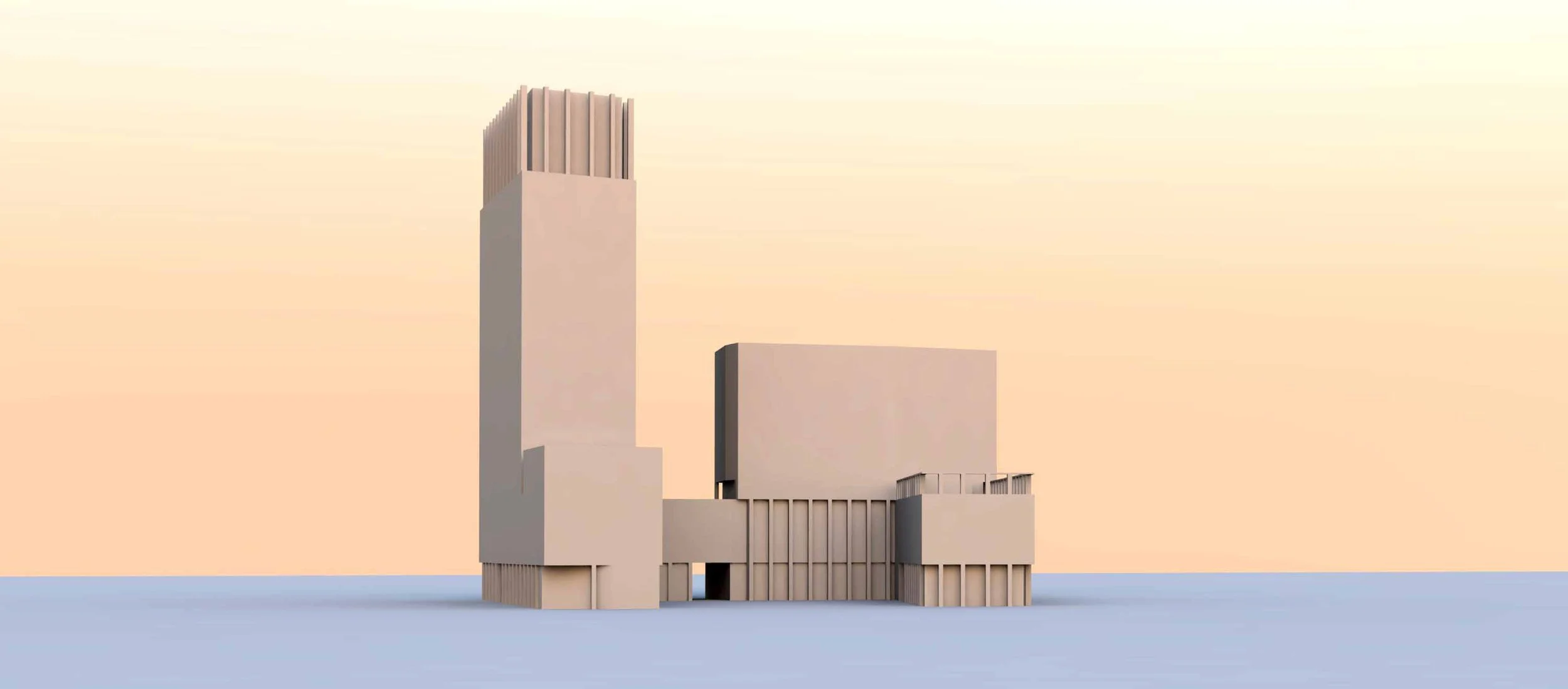
The form of the building is simple and contemporary; a podium and towers which create a counterpoint to and compliment the forms and architectural languages which exist or are proposed in the immediate vicinity.
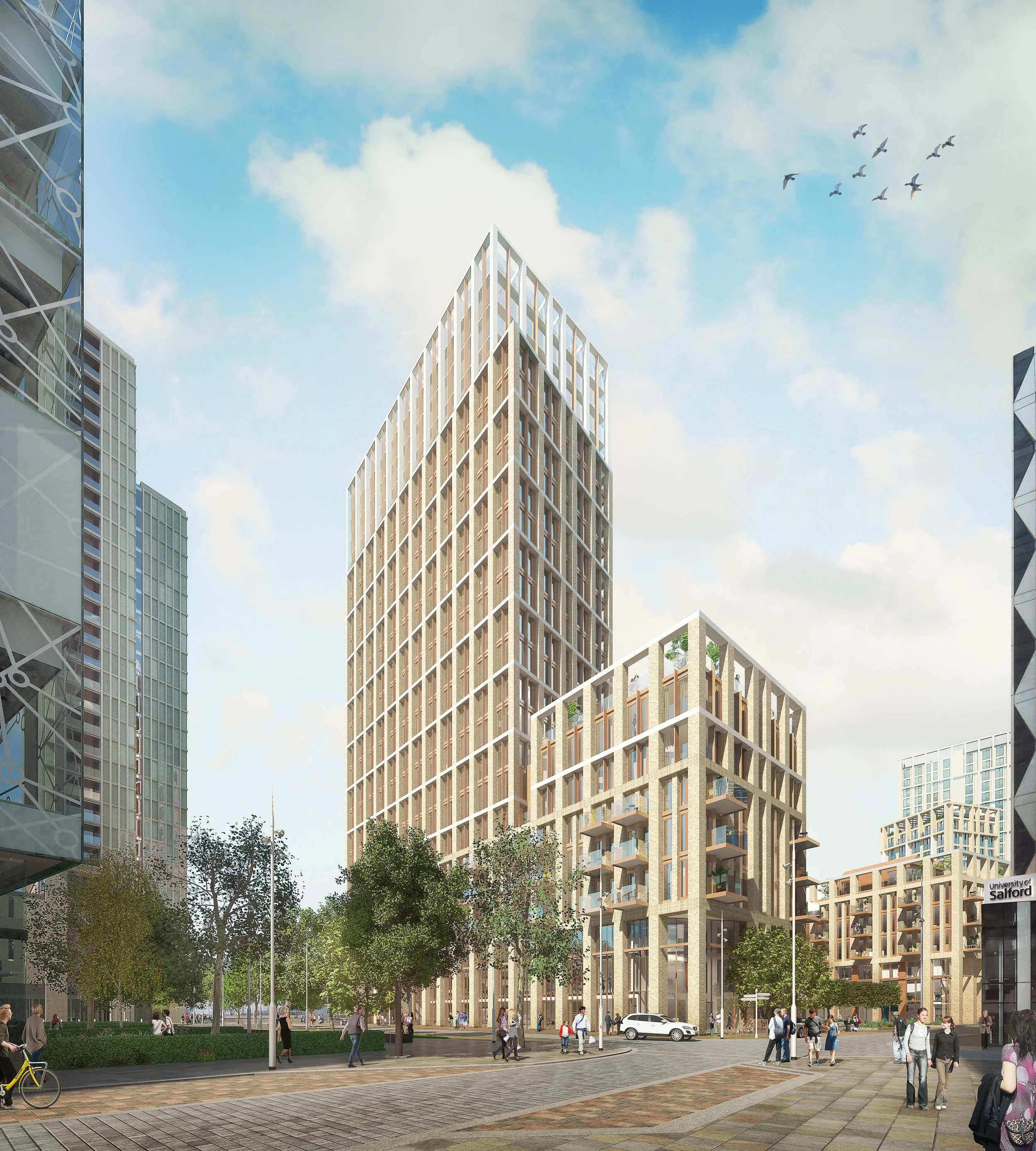
The architectural order is traditional in its arrangement, a base, middle and a top. The base creates a perimeter to three sides of the site, forming a planted public square and is expressed as a colonnade all around; a sturdy platform from which the towers rise. Brick is the primary material of the elevations and is expressed as masonry frames with deep reveals; a double and triple height order is used to assist in reducing the apparent scale of the buildings; grounding the towers to the podium.
As the building rises, the structural gris is more evident. At the uppermost levels, the brick is replaced by more slender masonry elements forming a more perforate colonnade of complimentary material, visually light as the building meets the sky. A clear order against the street is evident and legible. It’s understandable and uncomplicated. It isn’t derived from superficial decoration.